

The Invisible Battlefield:
How Cognitive Warfare is Reshaping Our World

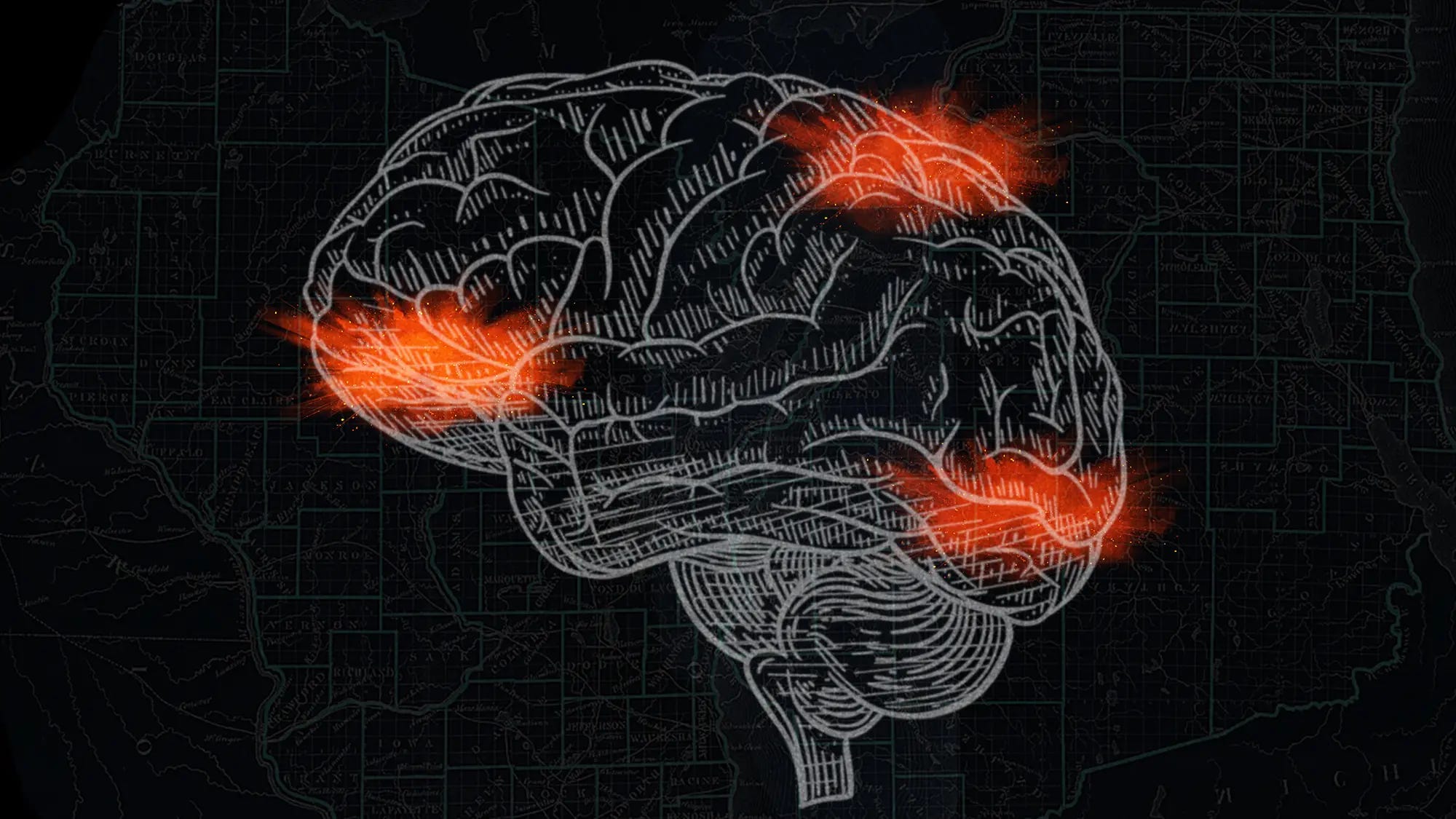
In an era marked by division, common ground often goes unrecognized. Open dialogue is essential to understanding how information is curated and deployed. This article examines cognitive warfare, drawing from expert analyses and reports on emerging threats in this domain.
The Brain as the 21st Century Battlescape
In 2018, at the United States Military Academy at West Point, Dr. James Giordano, an expert in neurology, biochemistry, and neuroethics with advisory experience at DARPA and the Pentagon, addressed cadets. He stated: "The brain is and will be the 21st century battlescape in many ways." Giordano outlined a future where neurocognitive science, including direct energy devices, biotech, brain imaging, and advanced pharmaceuticals, could be weaponized to influence thought, emotion, and behavior.
NATO's 2021 report on cognitive warfare reinforced this view: "In cognitive warfare, the human mind becomes the battlefield. The aim is to change not only what people think, but how they think and act." When executed effectively, it can fragment societies and diminish resistance without kinetic force.
Human inquiry into self-awareness—thought, feeling, and behavior—has evolved with neurotechnologies like Neuralink. In adversarial contexts, these advancements shift from augmentation to manipulation.
Beyond Traditional PSYOPs: Rewiring Thought Processes
Psychological operations (PSYOPs) target content to shape beliefs, as seen in Russian disinformation campaigns. Cognitive warfare, however, manipulates processing mechanisms for strategic advantage.
China has advanced in this area. As Giordano explained, brain mechanics enable indirect or direct influence. Social media platforms suffice without advanced weaponry. NATO identifies social networking and mobile technologies as enablers of this domain.
TikTok, operated by ByteDance under potential CCP influence, serves as an example. Journalist Bill Gertz, author of Deceiving the Sky: Inside Communist China's Drive for Global Supremacy, describes it as a cognitive warfare tool. The strategy aligns with ancient deception principles: "Deceive the sky to cross the water."
Under Xi Jinping, the U.S. represents an impediment to China's ambitions. TikTok promotes content aligned with CCP ideologies while suppressing alternatives, conditioning users on issues like Taiwan and human rights.
Algorithmic variances between China's Douyin and global TikTok highlight disparities. In China, minors are restricted to 40 minutes daily with educational emphasis, fostering aspirations like astronautics. In the U.S., extended usage exposes users to harmful content, including self-harm and dangerous challenges, contributing to "TikTok Brain"—reduced attention and cognitive performance.

The Smoke-Filled Room: A Digital Analogy
The 1960s smoke-filled room experiment by Bibb Latané and John Darley illustrates contextual influence. Isolated participants evacuated promptly; in groups with passive actors, they remained, seeking validation. Context altered rational response without changing facts.
Applied to social media, platforms curate environments, amplifying voices via algorithms. Adversaries can normalize detrimental behaviors, undermining critical analysis.
Behavioral expert Chase Hughes frames this as modifying perception, context, and permission (PCP), altering consumption to influence actions.
Smokeless War: Fentanyl and Internal Sabotage
China's "smokeless war," as termed by PSYOP researcher Greg Horowitz, avoids direct confrontation by internal weakening. Fentanyl exemplifies this: Over 70,000 annual U.S. deaths surpass combined casualties from Vietnam, Iraq, and Afghanistan.
China supplies precursors to Mexican cartels. A 2024 House Select Committee report attributes subsidies and protection to the CCP. Rerouting through Mexico evades direct scrutiny, with Chinese networks laundering funds.
Horowitz views this as strategic: Eliminating military-aged individuals smokelessly. TikTok amplifies disruption, heightening vulnerabilities addressed by lethal substances.
Conspiracy Theories as Cognitive Weapons
TikTok propagates theories like Tartaria—a purported erased empire with advanced technology. Short-form content fuels speculation without verification. A referenced CIA document concerns Soviet erasure of Tartar history, not global conspiracy.
This mirrors Russia's "New Chronology" by Anatoly Fomenko, positing Russian dominance suppressed by the West. Such narratives support geopolitical agendas, as in Ukraine.
KGB defector Yuri Bezmenov described "ideological subversion": Demoralization renders facts irrelevant until crisis intervenes. China benefits from conflicts like Ukraine, supplying drone components.
A Call to Awareness and Action
Cognitive warfare employs apps, algorithms, pharmaceuticals, and deception to impair clarity. China's "intelligentization" targets decision-making and populations.
Recognition of these tactics—curated feeds and manipulated contexts—promotes resilience through informed discourse. However, individual awareness alone is insufficient; coordinated policy responses are essential to counter these threats effectively.
Policy Recommendations
To build societal and national defenses against cognitive warfare, policymakers should consider the following measures, informed by recent developments and expert analyses:
Enhance Oversight of Social Media Platforms: Following the 2026 divestiture of TikTok's U.S. operations to a consortium including Oracle, Silver Lake, and MGX, with ByteDance retaining a minority stake 1, implement rigorous congressional oversight to ensure independence from foreign influence. This includes mandatory algorithm audits for transparency and bias detection, addressing concerns about content suppression under new ownership 2.
Invest in Digital Literacy and Resilience: Allocate a portion of defense budgets—such as the 1.5% target in NATO's defense spending guidelines for cybersecurity and related programs 3—to initiatives promoting digital literacy, media education, and critical thinking skills. This would equip citizens to identify and resist disinformation, reducing the impact of cognitive manipulation.
Streamline Cognitive Warfare Strategies: Develop an offensive U.S. cognitive warfare framework, including streamlined interagency approval processes for information operations, modeled after successful cyber strategies 4. This should emphasize illuminating adversary tactics, leveraging commercial capabilities for disciplined messaging, and applying economic leverage to counter disproportionate investments by adversaries like China.
Impose Platform Accountability and Rapid Response Mechanisms: Introduce legal liability for social media companies distributing harmful content, while adopting rapid disinformation countermeasures, such as Taiwan's "2-2-2" principle (respond within two hours using two images and 200 words) 5. Assign responsibility to a dedicated entity, such as a digital affairs department, to coordinate responses.
Address Hybrid Threats like Fentanyl Through Diplomacy: Strengthen international partnerships to disrupt supply chains of precursor chemicals, combining trade sanctions, law enforcement cooperation, and diplomatic pressure on source countries to mitigate "smokeless war" tactics 6.
These recommendations aim to fortify democratic institutions while preserving free expression, ensuring that cognitive warfare does not undermine national security or societal cohesion.